
About the College
April 13, 2019 2026-06-07 1:41About the College
About the College
A specialized college in information engineering, communication technologies, computer networks, intelligent systems, and cybersecurity.
The College of Information Engineering was established in 2002 as the first academic institution specialized in information technology in Iraq. As the field continued to evolve, its name was changed in 2005 to the College of Information Engineering to cover a wider range of information and communications specializations. Today, the college continues to provide a modern learning environment that prepares students for leadership in technology and engineering fields.
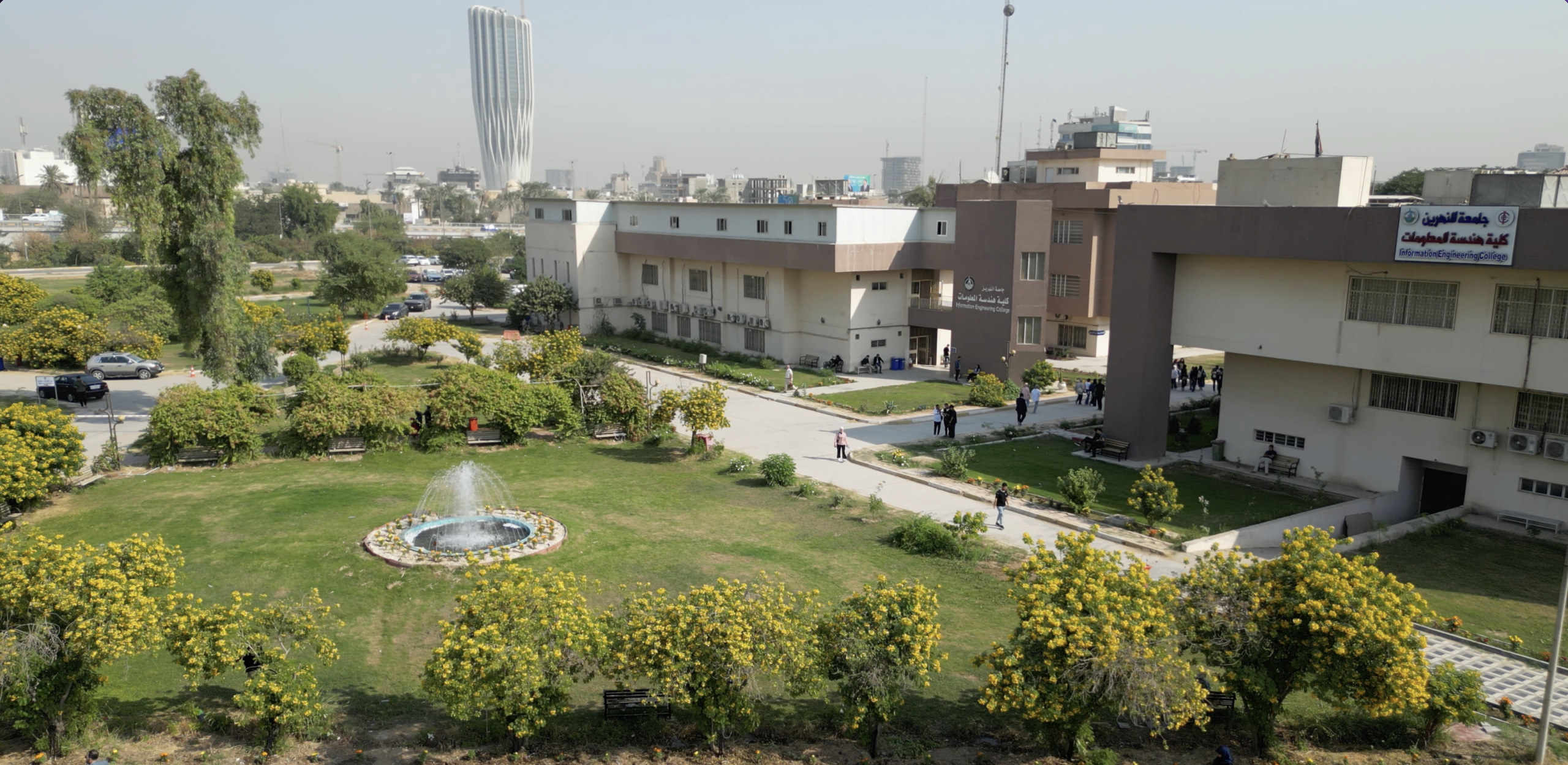
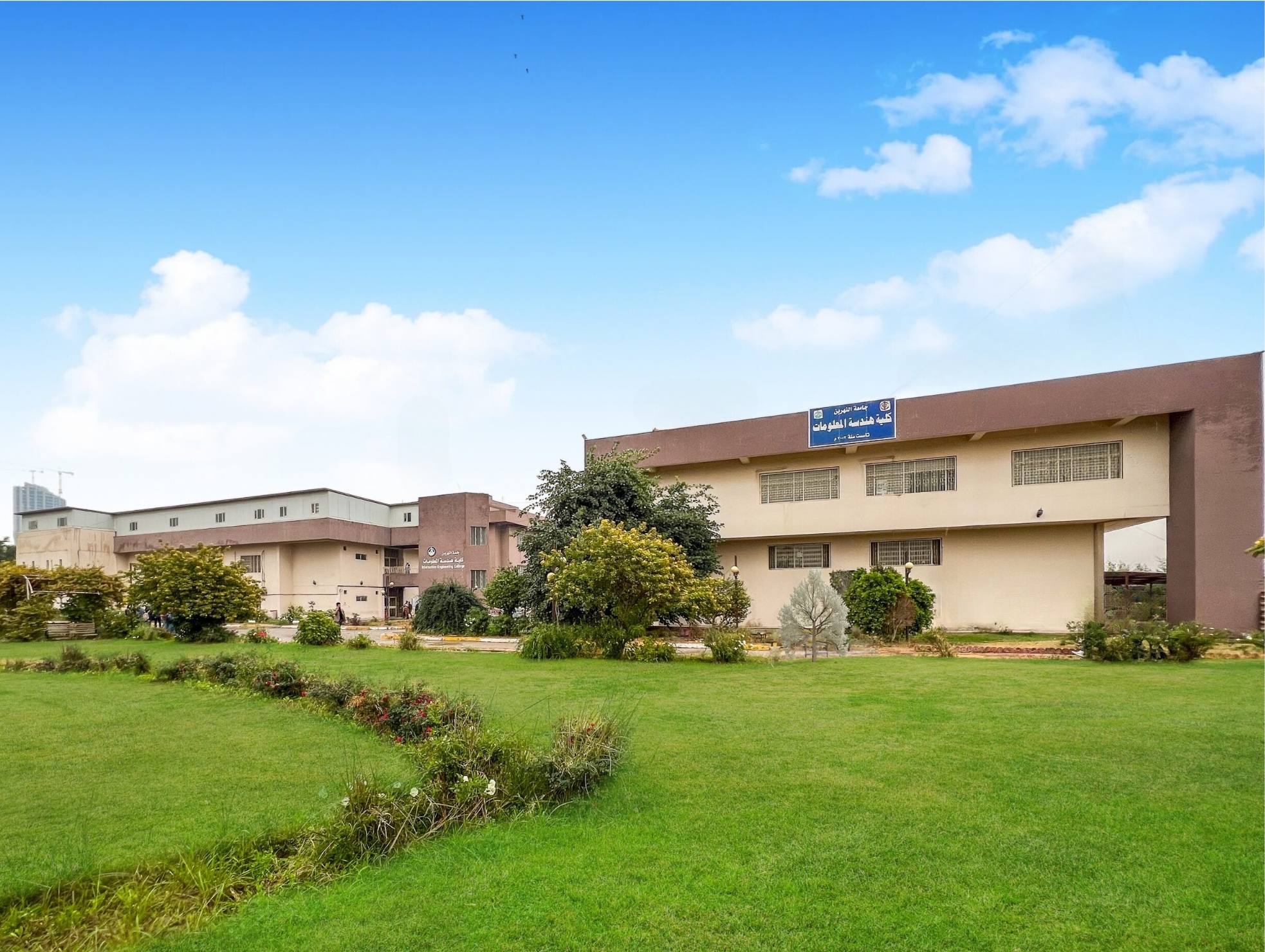
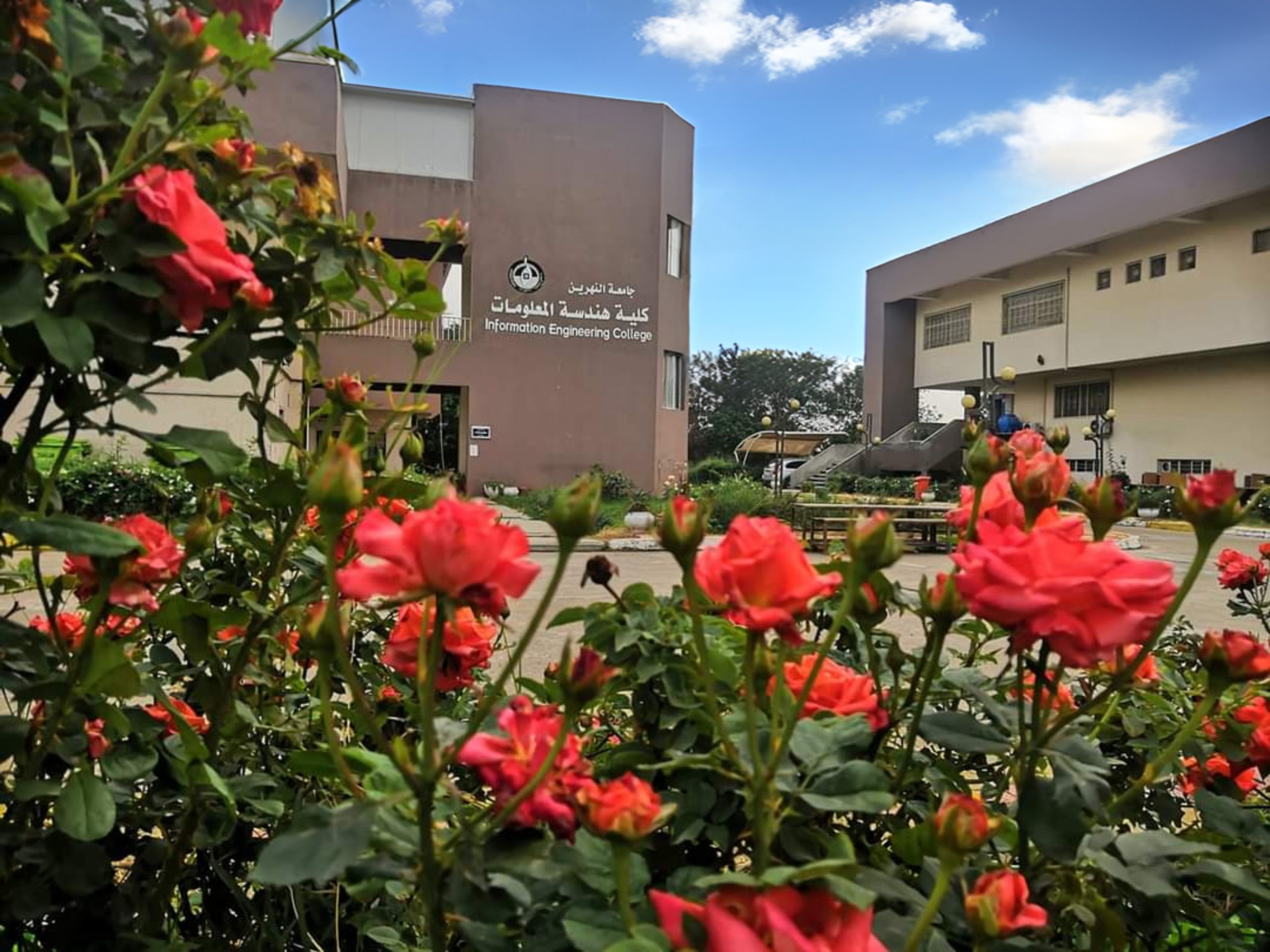
The first specialized college in this field in Iraq
Covering information and communications, networks, artificial intelligence, and cybersecurity
In undergraduate and postgraduate studies according to the college website
A university location connecting study with an integrated academic environment
Who We Are
A Specialized College Growing with the Pace of Technology
This page presents the college profile, scientific departments, mission, and values through an organized academic layout.
The College of Information Engineering was established in 2002 as the first academic institution specialized in information technology in Iraq, with the aim of preparing distinguished cadres capable of keeping pace with rapid developments in this vital field. With the growing integration between information technology and communications, the college name was changed in 2005 to “College of Information Engineering” to include broader specializations covering aspects of information and communications technologies. The college includes four main departments: Information and Communications Engineering, Computer Networks Engineering, Automation and Artificial Intelligence Engineering, and Cybersecurity Engineering.
Pioneering Establishment
The college began as a specialized nucleus in information technology and developed to keep pace with modern transformations in digital engineering fields.
Advanced Programs
The college offers advanced academic programs aligned with international standards and provides modern technologies to support learning and application.
Preparing for the Future
The college focuses on equipping students with the knowledge and skills required to succeed in professional, research, and development environments.
Our Mission and Foundation
Solid Education, Advanced Research, and Clear Community Impact
The College of Information Engineering at Al-Nahrain University was established to achieve a community-oriented purpose: contributing to the development of society by educating students to become leaders and contributing members with integrity, strengthening fundamental knowledge, developing creativity, leading advanced scientific research, and accelerating solutions while expanding their impact in engineering and technology fields.
Scientific Departments
Diverse Specializations Under One Academic Umbrella
The academic identity of the college is distributed across four main departments that represent essential pathways in information technology and modern engineering.
Information and Communications Engineering
01A department focused on information and communications technologies and their modern engineering applications.
Computer Networks Engineering
02Concerned with building networks, their technologies, and the design of interconnected computing environments.
Automation and Artificial Intelligence Engineering
03Links intelligent systems, automation, and technical analysis to support future solutions.
Cybersecurity Engineering
04Specialized in protecting systems, data, and digital infrastructures within a rapidly evolving technology environment.
Our Values
Stable Principles that Shape the Graduate Profile
The college is committed to providing high-quality educational and research programs while focusing on a set of core values.
Commitment to graduating a distinguished student who possesses the required skills.
Honesty, fairness, and openness to constructive criticism.
Awareness of our responsibility toward society.
Embracing change and developing skills.
Readiness to develop capabilities and generate new ideas.
Effective management of teams and resources.
Cooperation with others regardless of cultural diversity.
